History of Islamic Finance – Part 1: Where It All Began By Eliza Hossain Bristy, FCCA
Let’s rewind the clock way before modern banks or fintech apps existed.
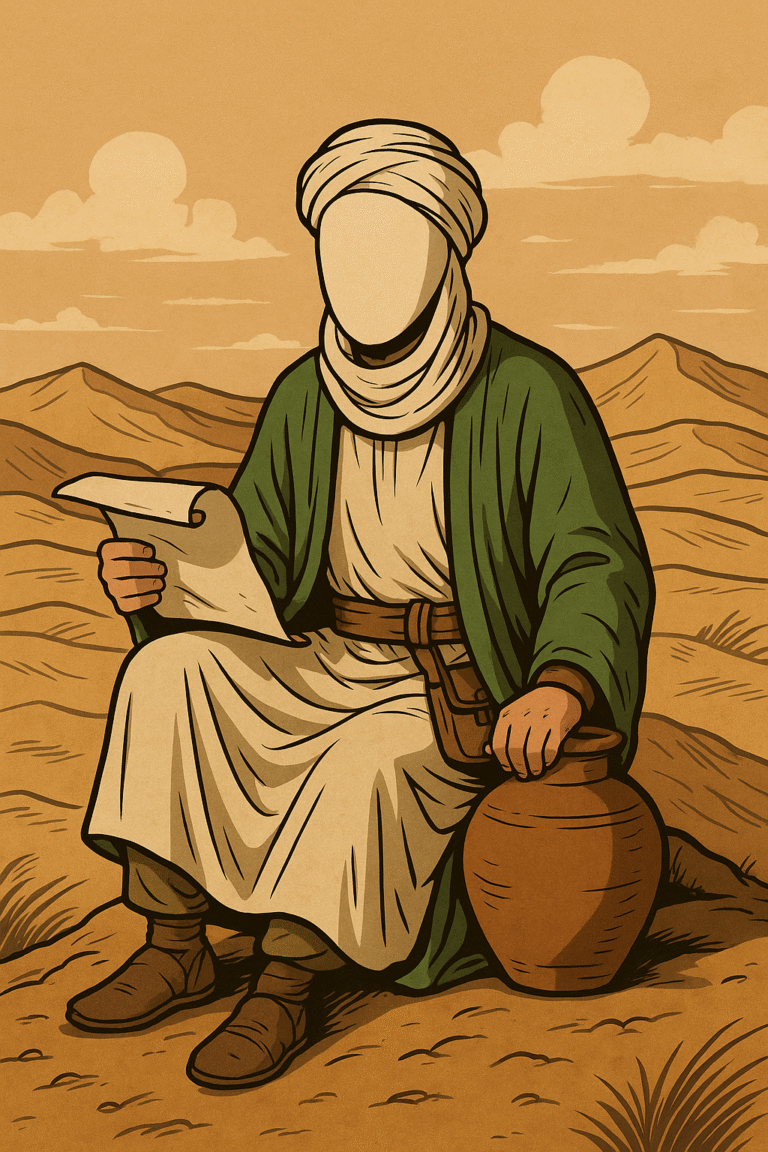
Islamic finance didn’t begin in a boardroom. It began in the markets of Makkah and Madinah, in the life of the Prophet Muhammad ﷺ himself—who was a trader known for fairness, trust, and ethical dealings.
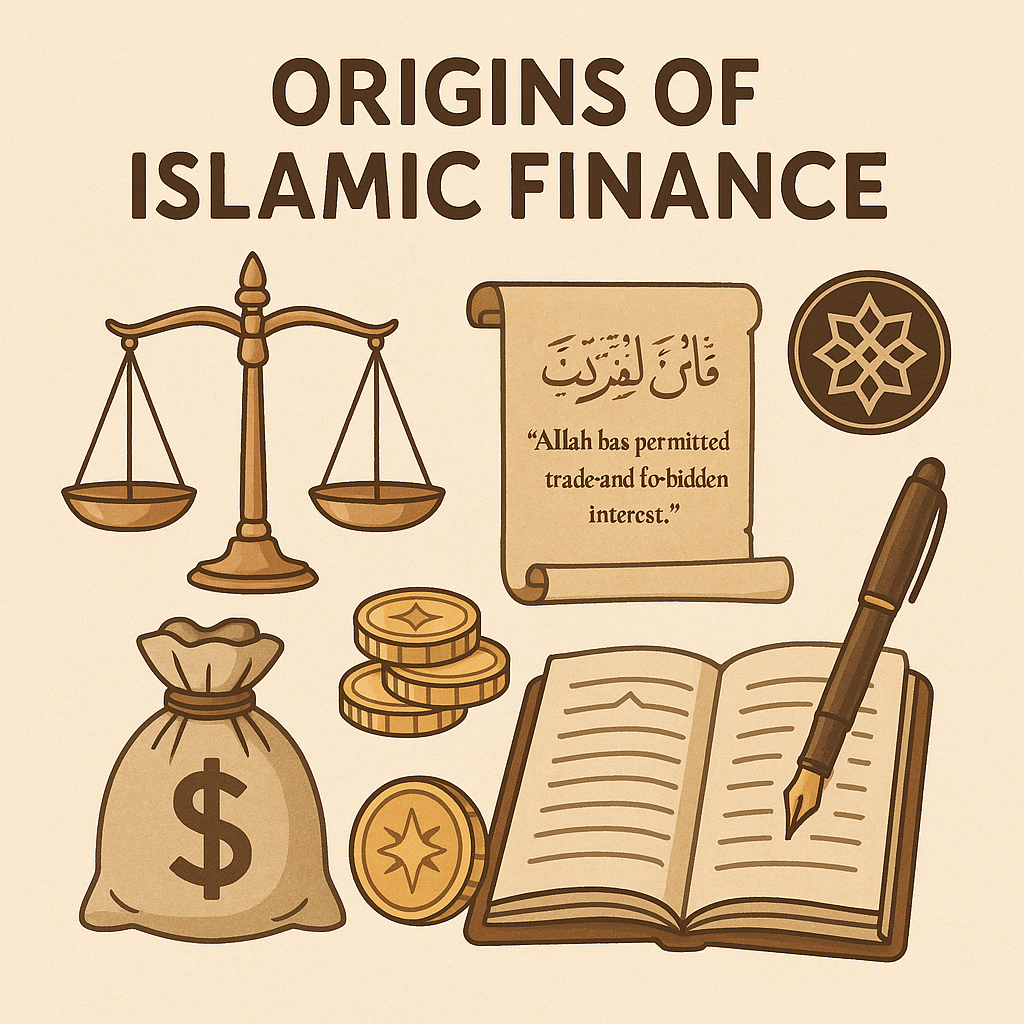
From the very beginning, Islam set clear rules around money. The Qur’an and Sunnah laid out principles that still guide us today:
-
No riba (interest)
-
No cheating or hidden risks (gharar)
-
Encourage trade and profit-sharing
-
Protect trust, contracts, and people’s wealth “Allah has permitted trade and forbidden interest.”
— Surah Al-Baqarah (2:275)
So while the language has changed—mudarabah, sukuk, takaful—the spirit hasn’t. It’s always been about justice, trust, and balance. Profit was encouraged, but not at the cost of ethics.
The core idea?
Wealth should flow with fairness. Money should serve people—not the other way around.
—
In Part 2, we’ll look at the Golden Age of Islam—how scholars and institutions like waqf and bay’ al-salam shaped early Islamic economic systems.
Thanks for reading!
#IslamicFinance #FaithInFinance #HalalEconomy #IslamicBanking #ShariahFinance #LinkedInSeries #HistoryOfFinance #ElizaBristy